Valerie – Mark Ronson ft. Amy Winehouse
Yes, I can hear you singing it at the top of your lungs and no judgment here! I do the same thing every time that song comes on. It’s an absolute classic. But today, I’m not talking about ginger hair (though I’ll admit I have a soft spot for redheads). I’m talking about the real deal, ginger, the root that brings fire, flavor, and a bit of sass to kitchens around the world.
Fun fact: redheads actually got their nickname from the color of this spice, not the plant itself!

Rooted in History
Most of us have heard of ginger and probably used it in tea, lemonade, stir-fries, stews, or salads. But what makes this root so special? Let’s take a little dive (spoon first) into this ancient spice that’s deeply rooted (yes, pun intended) in global cuisine.
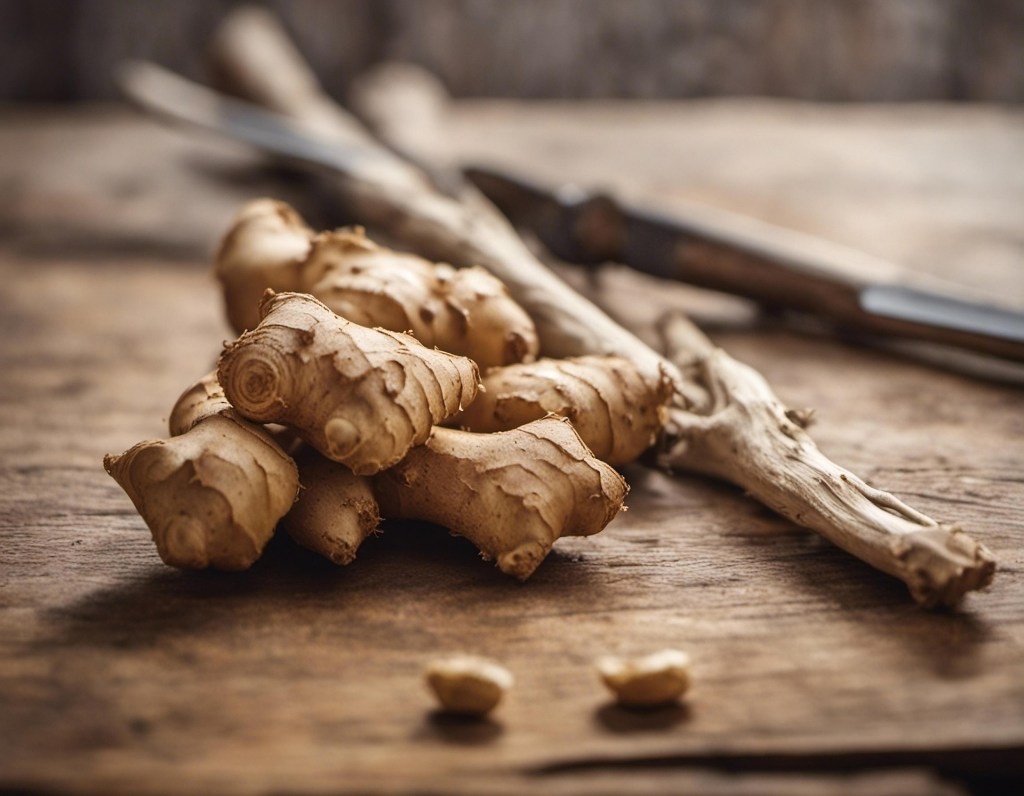
Ginger is a flowering plant whose underground stem, called a rhizome, is used as a spice, flavoring, and herbal medicine. It’s part of the same botanical family as turmeric and cardamom, that is quite the impressive flavorful family.
Native to Southeast Asia, ginger has been cultivated for over 5,000 years, likely first in India or China. From there, it spread across the ancient spice routes to the Middle East, Africa, and Europe. In medieval times, this stuff was so valuable that a pound of ginger cost as much as a live sheep. Imagine trading livestock for seasoning! Talk about your daily grind…
The word ginger comes from the Sanskrit śṛṅgavera, meaning “horn shaped.” Look closely at a ginger root and you’ll see why, it does look a bit like a horn. Maybe even a sheep’s horn? Coincidence? I think not.
Today, the world’s biggest ginger producers are India, China, Nigeria, Indonesia, and Thailand. So, if you ever find yourself in one of those countries, make sure to sniff around a spice market. (You’ll thank me later.)

The Health Boost
Alright, let’s hold science by the hand for a moment and step into the nerdy side of the kitchen, the health corner. You might know ginger as that little kick of warmth in your food or drink, but this root has been a natural medicine cabinet for centuries. It’s one of those ingredients that quietly does a hundred things at once while asking for nothing but a good peel and a bit of love in return.
First off, let’s talk stomachs. Ginger is a miracle worker down there. It helps ease nausea, fights motion sickness (fun fact: even NASA astronauts use it!), and sorts out that heavy, too-much-dinner feeling like a true pro. Whenever I’ve had a bit too much of my own cooking (yes, it happens), ginger tea is my go-to reset button.
Then there are the joints, no, not the smokey kind, I’m talking knees, elbows, muscles. The compound that gives ginger its kick, gingerol, helps reduce inflammation and eases pain from arthritis or overworked muscles. It’s like nature’s own little muscle whisperer.
And don’t even get me started on colds and infections. Ginger boosts circulation and gets your blood flowing. It helps your body fight off those nasty bugs trying to ruin your week. Add some ginger, honey, and lemon to hot water, and you’ve basically got an ancient superhero tonic in a mug.
But here’s where it gets really interesting, ginger fights something called oxidative stress. Think of it as the chaos that happens inside your body when there’s too much pressure and not enough balance. Ginger helps calm that storm, keeping your cells happy, healthy, and ready for another round of kitchen adventures.
So yeah, when people call it an ancient superfood, they’re not exaggerating. This humble root has been healing, energizing, and soothing humanity for thousands of years. And the best part? It still tastes amazing while doing it.

Ginger Around the Globe
Let’s talk food, the fun part.
Ginger shows up everywhere. Curries? Absolutely essential. Pickled ginger with sushi? Say no more. Marinades for meat, fish, or veggies? A perfect match. And let’s not forget the baking world, gingerbread, cookies, pumpkin pie spice… all owe their kick to this golden root.
And for my Caribbean food lovers, you know that jerk seasoning wouldn’t be the same without ginger’s warm bite in the mix.
Honestly, I could keep listing dishes until tomorrow, but I’ll leave some space for you. Tell me in the comments what your favorite ginger-packed recipe is.
Ginger isn’t just for cooking; we drink it too!
Ginger ale, ginger beer, ginger tea. Raise your hand if you’ve tried one (I see you).
But if you’re feeling adventurous, try something like Zobo, a Nigerian spiced hibiscus drink with ginger and clove. It’s refreshing, aromatic, and guaranteed to spice up your taste buds.
Growing Your Own
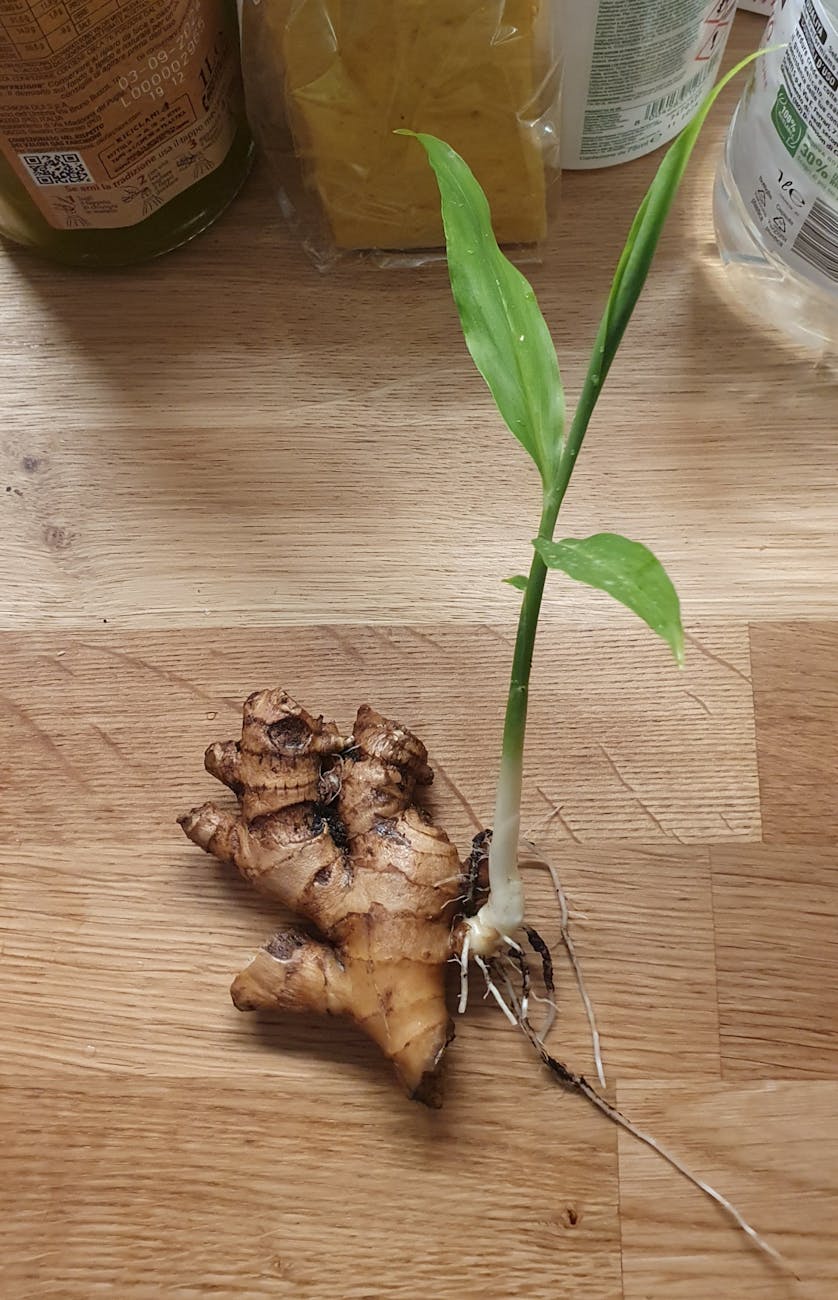
If you’re a grower like me, you’ll love this! Ginger’s surprisingly easy to grow at home.
Skip the seeds. Just plant the ginger root itself in well-drained, warm, humid soil, and be patient. In about 8 to 10 months, you’ll be harvesting your own homegrown ginger. And yes, you’ll have bragging rights. I flex mine every time.
A Root to Remember
So now you know: ginger isn’t just a spice. It’s a traveler, healer, and global superstar that’s brought warmth and vitality to kitchens for thousands of years.
When you spot that gnarly little root in your kitchen, remember everything it carries, it’s history, health, and heart. Toss a bit in your tea, add a slice to your stir-fry, or just admire it for being nature’s fiery little flavor bomb.
Keep dancing, keep cooking, and keep enjoying life! One root at a time.
Until we meet again,
Yohan

 Twist of Yohan
Leave a comment